SDP/DD/2026-01
Where technology becomes defence capability.
For companies moving from prototype to series production.
For companies moving from prototype to series production.
The prototype proves the technology. It becomes capability only in series production. At that point, technology is no longer the bottleneck. That makes it a question of capability, not of manufacturing.
The location decides whether technology becomes capability. Whoever opens up that location decides when.
The location is the strategy. We are the execution.
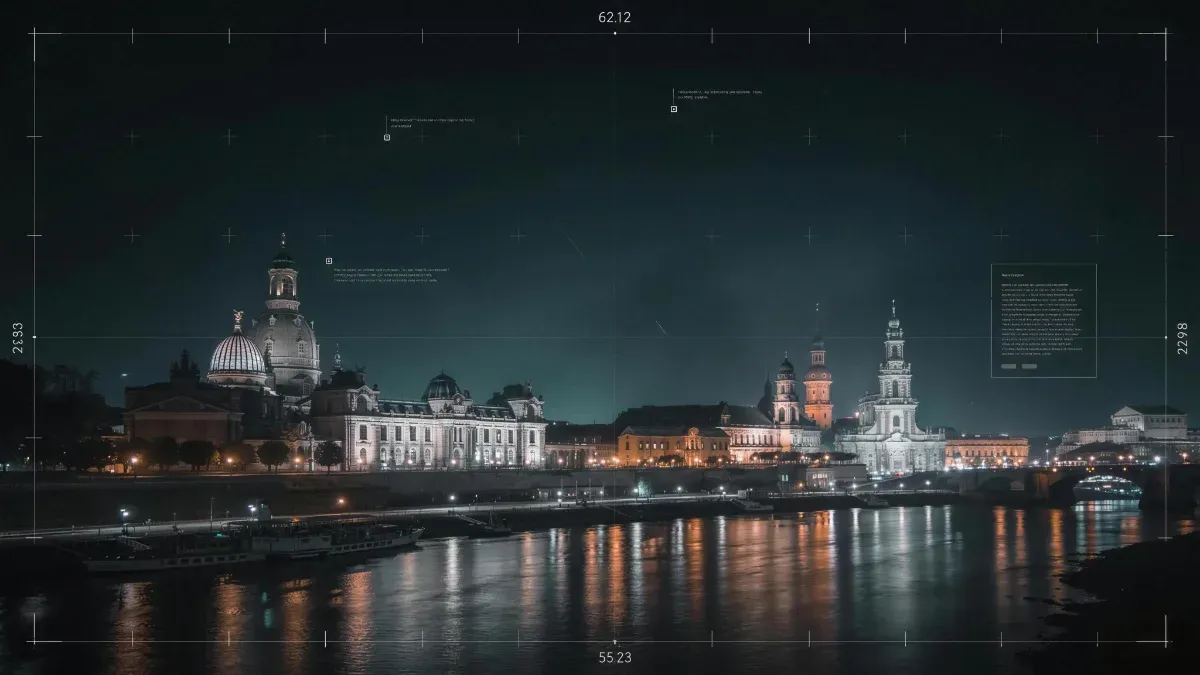
Dresden is where defence production scales in Germany.
Over EUR 16bn of investment is under construction or committed: ESMC/TSMC around 10bn, Infineon around 5bn, GlobalFoundries around 1.1bn, plus Bosch. Anyone building sensors, drones or guidance systems produces where the critical component comes from.
Grenoble, Europe's second-largest cluster, reaches around 38,000. Added to this is test infrastructure within a day's travel: the AEF research and flight test centre in Kamenz, some 40 km away, focused on electric and hybrid propulsion, swarm applications, data transmission and autonomous navigation.
TU Dresden and the Fraunhofer institutes form the talent base. The potential is large, availability is contested: the semiconductor industry competes for the same people. Workforce planning therefore belongs at the start of a project, not at the end.
More than half of it is earmarked for new procurement. From Dresden, Poland and the Baltic states are within direct reach, along with the Leipzig logistics hub and short routes to Berlin.
The components your system depends on are built in the same area. The specialists who take it into series production are already here. And the countries currently investing most in their defence are immediate neighbours. In between sit permits, defence regulations and administrative work nobody enjoys. We run it, and we run it digitally. What comes out of that is not just a location advantage, but a strategic one.
Before every mandate we review sites, permitting status and realistic timelines for your project.

Site, permitting, construction. Twenty years of building experience, applied to requirements no property developer knows.
Administration that runs without you watching. Built from military and regulatory experience. Plus the ability to build processes digitally rather than merely administer them.
Network, capital, procurement. Grown over two decades in financial markets and defence.
Where you stand today, what would be possible in Dresden, what it realistically takes.
Conversations are confidential, under NDA on request.
We will get back to you. A short confirmation is on its way to your email address.
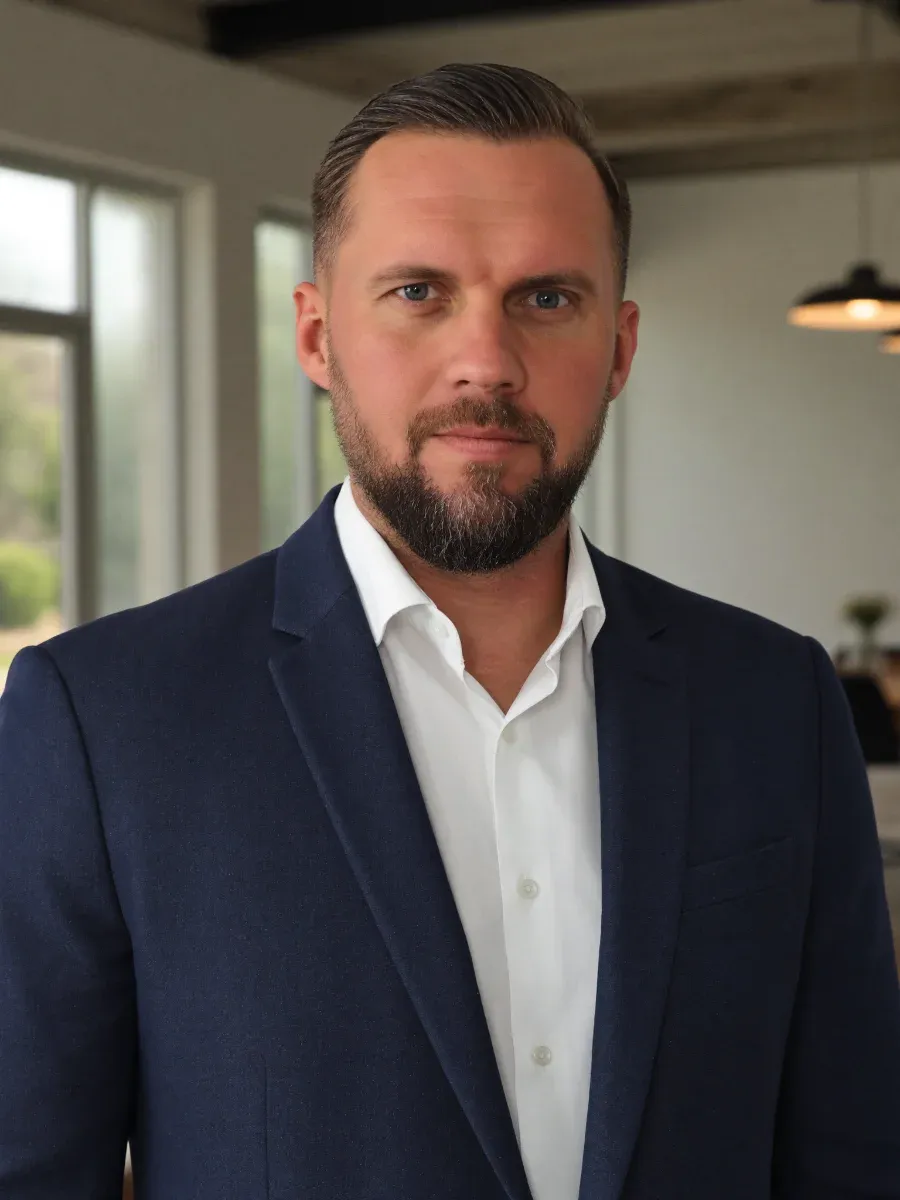
Military background, defence and strategic assessment.
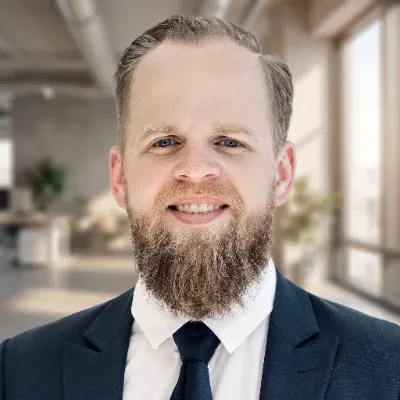
Military background, defence IT and security-compliant processes.
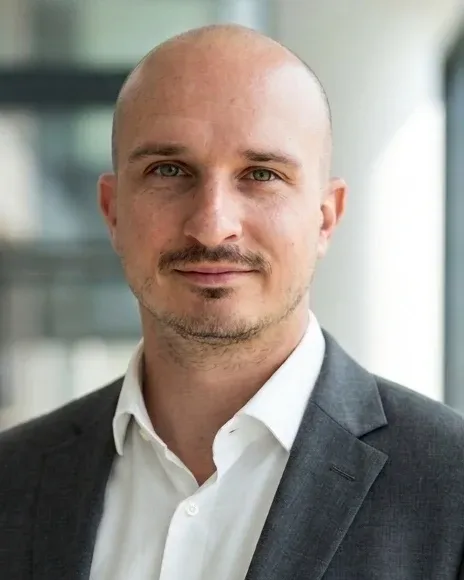
Infrastructure, permitting and site development.

Capital structures, sales and industry network.
The manufacturers arriving here need sites, suppliers, service providers and capital. None of it goes to anyone who does not know what the sector requires. We know those requirements, and we know the manufacturers.
This is neither an advisory mandate nor a fund vehicle.
Request a confidential conversation